
Wood Types
Lumber Tycoon 2 wood values explained: which species grows in each region, what each log is worth, and how a sawmill turns raw timber into higher-value planks.
Introduction
Wood is the actual economy of Lumber Tycoon 2. Every species has its own base value, its own region where it grows, and a different value again once a sawmill has converted the log into planks, so the question is never simply which tree is worth the most but which tree you can cut, move and process efficiently. Early species such as Oak grow around spawn and fund your first tools. Mid species such as Koa, Palm and Blue Spruce come from specific regions you have to travel to. Late species including Frost and Phantom Wood sit behind a real access requirement, which is exactly why their supply stays limited and their price stays high. This section groups the species by the region you have to reach and explains how processing changes what a tree is worth.
Wood By Region And Band
| Wood | Region | Value Band | Access Requirement |
|---|---|---|---|
| Oak, Birch and Elm | Main Biome near spawn | Starter | None, walk from the dropoff |
| Koa and Palm | Tropics and the sand islands | Mid | Travel by water or bridge, medium axe |
| Blue Spruce and Cavecrawler | Snow areas and caves | Mid | Reach the snow region and the cave network |
| Frost Wood | Taiga Peak | High | Travel to the Taiga and climb the peak |
| Phantom Wood | Far edge of the world | Top | Lower the Bridge to open the route |
| Spooky and Sinister | Any Slate, Sand, Road or Ground surface | Seasonal | Only spawns during the Halloween event |
Species Profiles
Oak And Starter Woods
The species growing around spawn that fund your first axe, land and sawmill.
Koa, Palm And Tropics Wood
The first species that actually requires a journey, and the first real jump in income.
Frost Wood
The best timber you can farm without relying on trading or a holiday window.
Phantom Wood
Endgame timber behind a bridge, and the top of most community price lists.
Spooky And Sinister Wood
Halloween timber that can appear on ordinary ground rather than in one fixed region.
Blue Spruce And Cavecrawler Wood
The snow and cave species that sit above the starter band without an endgame axe.
Core Mechanics
Value in Lumber Tycoon 2 is a two-stage calculation. A species has a base worth as a raw log, and that figure changes once a sawmill turns the log into planks. The second stage is why a modest species processed properly can beat a rare species sold raw, and it is also why a sawmill is usually the first serious structure players build on their own land. On top of that sits a supply rule: species behind a bridge, a peak or a seasonal window cannot be farmed on demand, so their price stays high while common species track the general rate of player activity. Region also matters for logistics rather than value, because a tree three map crossings from the dropoff effectively costs you travel time on every trip. The practical rule is to farm the most valuable species you can reach, cut and process without the trip becoming the dominant cost.
Advantages
The wood system gives Lumber Tycoon 2 more depth than most tycoon games manage. Because every species has its own region and its own access requirement, exploring the map is directly tied to earning more, and players naturally learn the geography as a by-product of farming. Processing adds a second decision layer, so a player with an average axe and a good sawmill can out-earn someone with a better axe and no setup. Seasonal species keep the economy from stagnating by injecting high-value timber on a predictable calendar, and the spread between starter and endgame woods is wide enough that early progress feels meaningful rather than cosmetic.
Challenges
Specific prices are the weakest part of the public record. Community sources describe relative value such as Frost being the second-highest timber, but authoritative numeric price tables are hard to verify and can be out of date within weeks. That makes it easy to read a confident number and plan around it wrongly. The map compounds this, because regions look similar until you know the landmarks and the more valuable species sit behind travel requirements that are never explained in game. Seasonal wood adds a second source of uncertainty, since prices collapse or spike depending on when the event opens, and any guide written outside an event window is effectively guessing.
Frequently Asked Questions
Which wood is worth the most money in Lumber Tycoon 2?+
Does a sawmill actually increase what I earn?+
Why can I not find Phantom Wood?+
Are Spooky and Sinister Wood always available?+
Quick Tips
Sort before you sell. The gap between raw log value and milled plank value is the cheapest income upgrade in the game, and building a sawmill early pays for itself through timber you would otherwise have sold at the lower rate on your very first farming trips, before you have any idea what the better species are even worth.
Farm the best species your axe can finish, not the most expensive one on a list. A trunk you cannot complete returns nothing at all, and the travel time you spent reaching a rare region is wasted on top of the failed cut, which is worse than farming a common species close to the dropoff.
Note the date on every price you read. Player economics move quickly, so an old value table can be off by enough to change which route is worth running at all. Use the relative order between species as a durable guide and confirm current numbers before committing a long session to one target.
Plan the return trip as carefully as the hunt itself. For far regions such as the Taiga Peak or the bridge crossing, the hauling distance is often the dominant cost of a session, so carrying a trailer or a larger vehicle changes your effective income more than a small upgrade to your axe would.
Featured

Lumber Tycoon 2 Gold Wood: Swamp Spawn and 25-Minute Timer
Locate lumber tycoon 2 gold wood in the Swamp, learn its 25-minute growth time and 11 hardness, and see how GoldSwampy compares to Zombie Wood for cash.
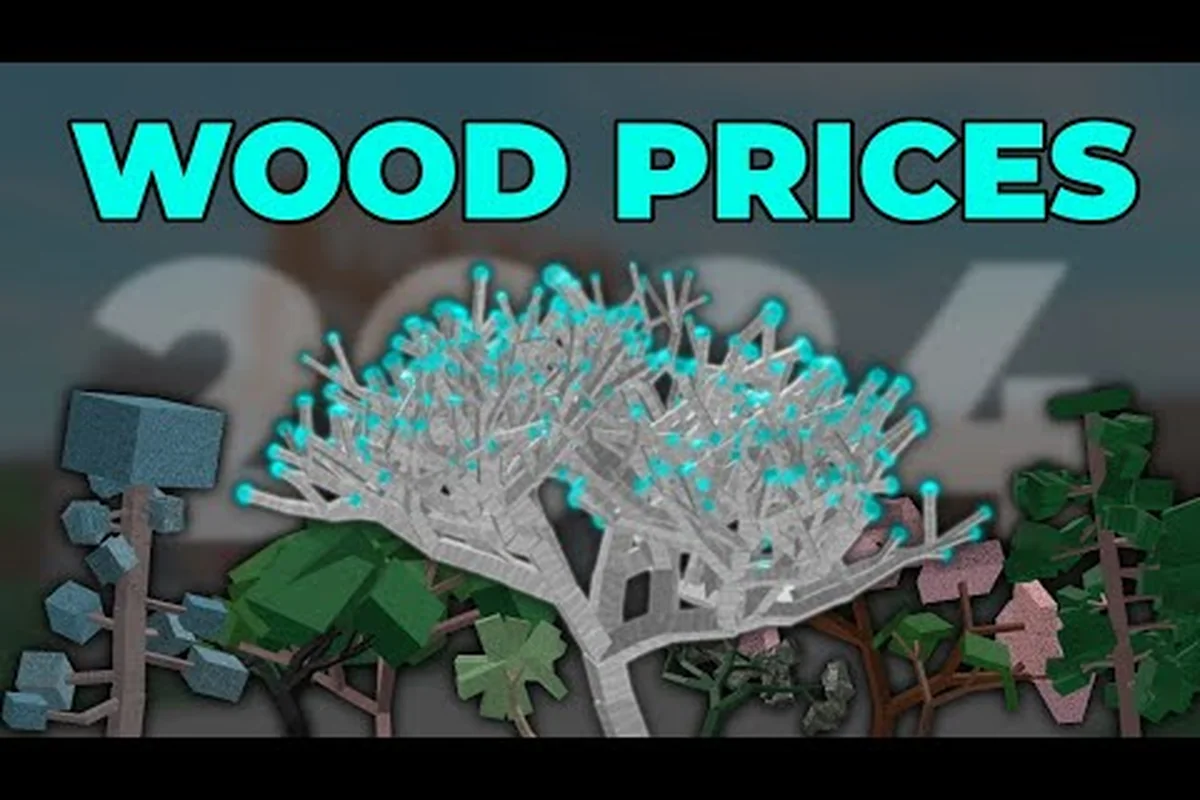
Lumber Tycoon 2 Wood Types: Prices and Growth Times
Compare lumber tycoon 2 wood types from Oak and Elm to Cavecrawler and Phantom, with growth times, hardness, plank colors, and current selling prices.
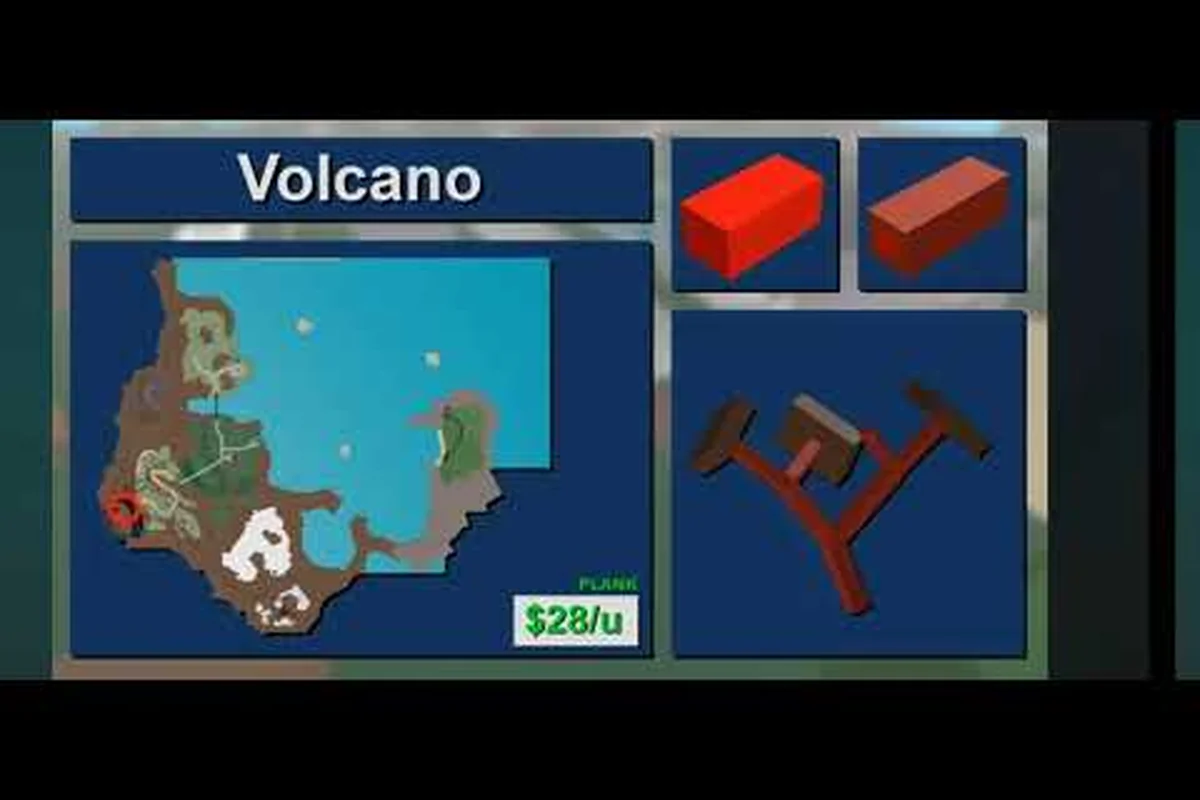
Lumber Tycoon 2 All Wood Locations and Spawn Biomes
Track down every lumber tycoon 2 all wood locations entry from Oak to Sinister, including spawn biomes, growth times, hardness, and plank sell prices for each tree.
All Articles

Lumber Tycoon 2 Best Wood for Money: Oak vs Elm
Find the lumber tycoon 2 best wood for money by comparing growth time, hardness, and sell value across Birch, Oak, and Elm to maximize profit per hour.

Lumber Tycoon 2 Harvesting Blue Spruce in Winter
Master lumber tycoon 2 harvesting blue spruce during its winter-only spawn window in the Main Biome and Taiga, then sell the rare blue planks for steady profit.
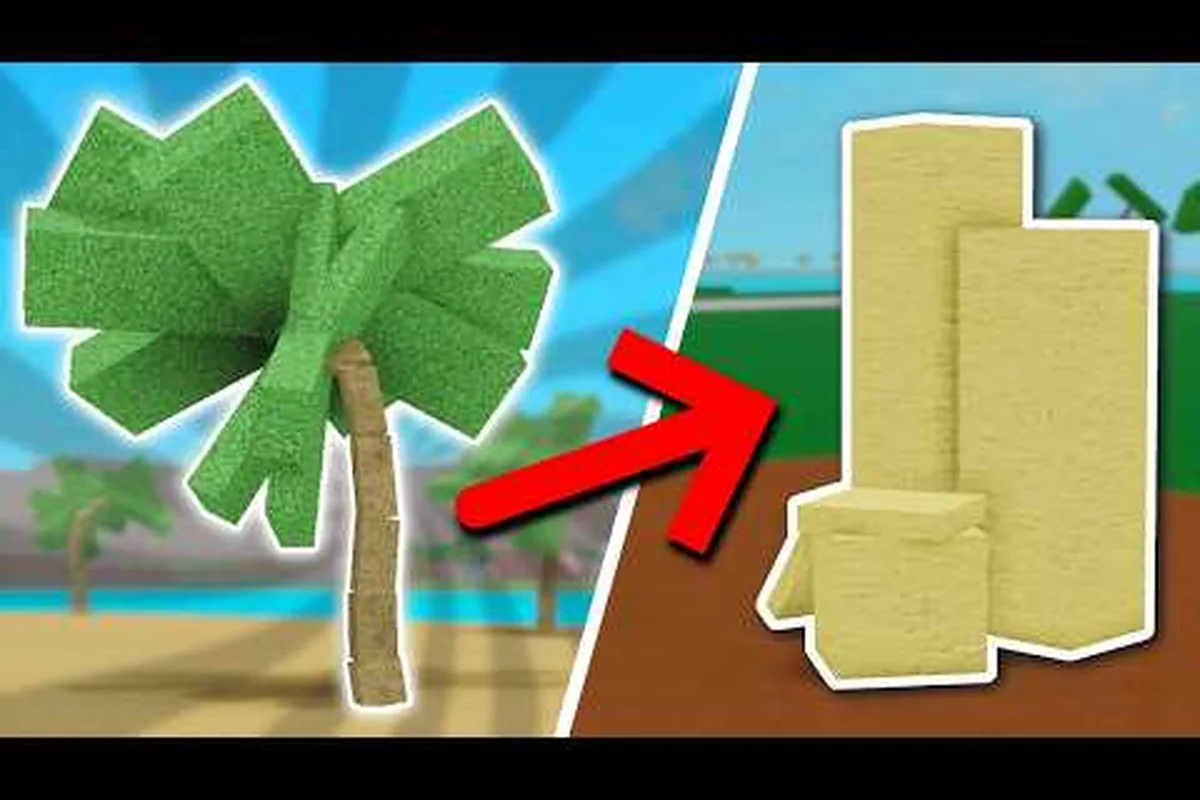
Lumber Tycoon 2 Harvesting Palm Wood Without Glitches
Learn lumber tycoon 2 harvesting palm wood on the Sand Islands, where the 8-minute trees require clever setup or glitches to reach and chop safely.

Lumber Tycoon 2 Orange Wood: Seasonal Items Explained
Uncover what lumber tycoon 2 orange wood actually refers to, from the Orange Gift of Traffic Control cone to the Bone Turkey and Firewood visuals.

Lumber Tycoon 2 Zombie Wood: 20-Minute Swamp Growth and Price
Farm lumber tycoon 2 zombie wood in the Swamp, where 20-minute green trees offer a low 5.4 hardness option for new players building early Lumberbucks.

Lumber Tycoon 2 Sinister Wood: Spawns and Hunting Tips
Hunt lumber tycoon 2 sinister wood near the volcano and around the map, with spawn conditions, the 3-hour growth time, and tower-based hunting strategies.