
Items
Lumber Tycoon 2 items and vehicles: cars, trailers, utility tools, quest items and game passes, plus which purchases actually change your income per trip.
Introduction
Items are the support structure of a lumber operation. Vehicles and trailers decide how much timber a single trip can move. Utility tools such as Dynamite, the Wood Detector and the Bag of Sand gate specific routes and spawns rather than simply being conveniences. Game passes affect building and bridge access, and collectibles, badges and event prizes form the tradeable layer that gives a long-running account something to hold. Because these costs compete with axes, land and automation for the same money, the useful question is not what each item does in isolation but which one removes the bottleneck you currently have. This section groups the catalogue by purpose, notes roughly where each item comes from, and flags the ones that unlock a route rather than merely saving time.
Item Catalogue
| Item | Category | Where To Get It | Why It Matters |
|---|---|---|---|
| Cars, trucks and off-road vehicles | Vehicle | Boxed Cars store | Raises how much timber one trip can move, and reaches terrain cars cannot |
| Trailers | Vehicle | Vehicle store, several sizes | The single biggest increase in load per journey |
| Dynamite and Wood Detector | Utility | Bob's Shack and specialist stores | Open blocked routes and locate species that are hard to find by eye |
| Bag of Sand and Can of Worms | Quest item | Stores around the map | Part of the four-item set that opens the Den |
| Super Blueprints and Super Bridge | Game pass | Robux store | Convenience build mode and free bridge access |
| Gifts and event prizes | Collectible | Seasonal events | Trade-only value once the event window closes |
Item Groups
Vehicles
Cars, trucks, bikes and snowmobiles, and which terrain each one is actually built for.
Trailers
Attachable load platforms that multiply what a single journey can carry back to the dropoff.
Utility Tools
Dynamite, the Wood Detector and the smaller items that unlock routes instead of saving time.
Quest Items
The four-item set including the Bag of Sand and Can of Worms used to open the Den.
Game Passes
Robux unlocks that affect building convenience and bridge access rather than earning power.
Collectibles And Event Items
Gifts, badges and prizes that hold value long after the event that produced them.
Core Mechanics
Items divide cleanly into three roles, and confusing them is the main reason money gets spent badly. Transport items raise how much you move per trip, so their value scales with distance from the dropoff. Access items such as Dynamite and the four Den quest pieces unlock routes and spawns outright, which makes them prerequisites rather than upgrades. Convenience items, including the two game passes, remove recurring friction without changing what you can earn. Because all three compete for the same money as axes, land and sawmills, the correct purchase is always the one that clears your current bottleneck. A player farming near spawn gains almost nothing from a large trailer, while a player running Frost Wood from the Taiga gains enormously from one, and the item itself never changed.
Advantages
The item catalogue is unusually honest about what money buys. Nothing that drives income sits behind premium currency, so a free account can reach the same production setup as a paying one, and the two game passes affect convenience and bridge access rather than earning power. Transport items scale cleanly with the map, which gives players a clear reason to invest as their farming range grows, and access items turn exploration into a shopping list rather than guesswork. Collectibles and event items add a long-term layer that gives an established account something to chase once the farming loop is solved, without making any of it mandatory.
Challenges
Costs compete, and the game gives no guidance about which to prioritise. A new player can easily spend a session's income on a fast car that hauls no more than a bike, because nothing indicates that capacity matters more than speed on most routes. Several important items are sold in ordinary stores with no indication that they are access requirements, so the Den quest in particular is usually learned from another player rather than discovered. Vehicle and trailer combinations can also behave badly on slopes, and the game does not warn you before a load is lost. Finally, premium items sit close enough to useful ones that players sometimes buy convenience before they understand which part of the loop is genuinely slow.
Frequently Asked Questions
What should I buy first in Lumber Tycoon 2?+
Is a trailer worth the money?+
What do I need to open the Den?+
Do I need game passes to progress?+
Quick Tips
Choose capacity over speed on long routes. A quicker vehicle that carries the same load saves minutes, while a trailer that doubles the load halves the number of trips, and on a far region the trip count is what actually sets your income for the session you just spent travelling.
Keep a small stock of quest and access items at your base. Dynamite, a Bag of Sand and the other Den pieces are cheap individually, but running out mid-route means repeating a long journey for a single low-cost item, which is the worst trade available in the entire game. so a small stockpile at the base is genuinely part of your infrastructure.
Buy transport only after you have something worth transporting. A large trailer filled with raw starter logs earns less than a small one filled with planks, so confirm your processing setup works before spending on load capacity the rest of your operation cannot actually fill each trip. and load capacity you cannot fill is simply money sitting idle in the garage.
Try a route before you commit a vehicle to it. Terrain that looks passable from a distance can stop a car completely while a quad bike or snowmobile crosses it comfortably, and discovering that with a full trailer attached is an expensive way to learn the shape of the map.
Featured
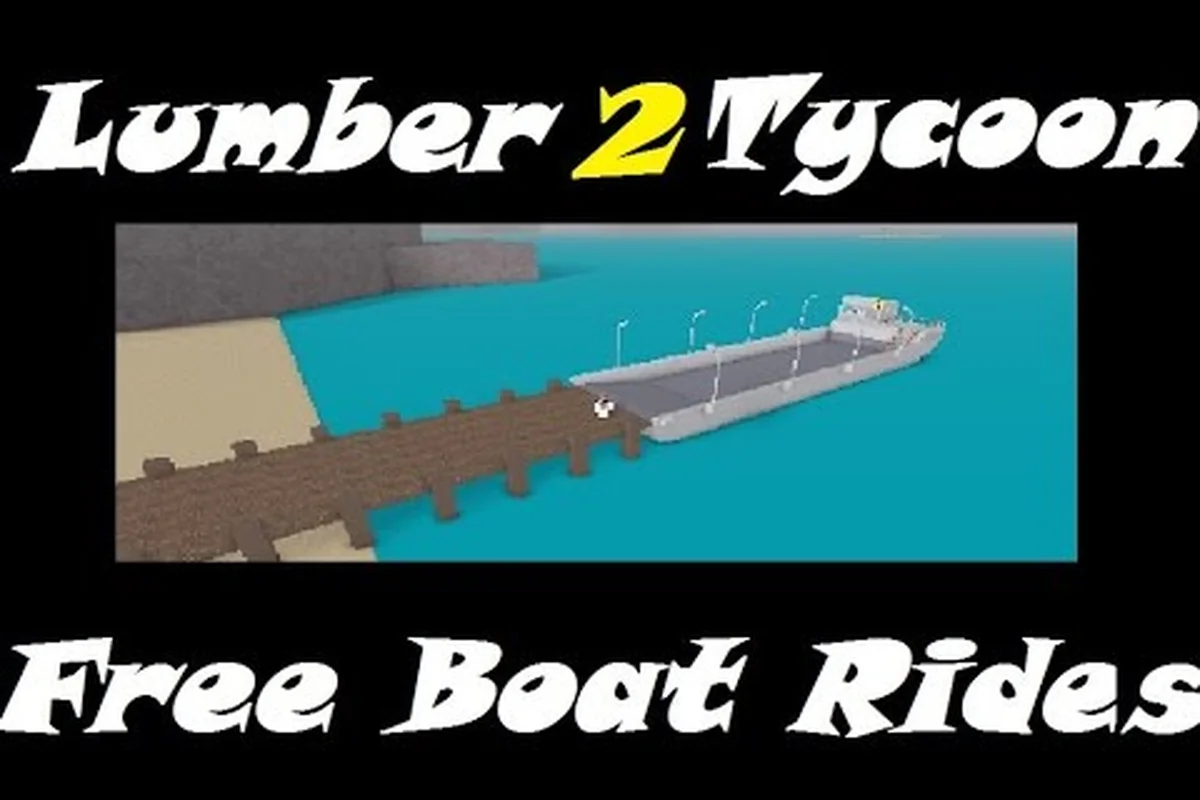
Lumber Tycoon 2 Boat Options and Dock Locations
Explore lumber tycoon 2 boat travel from the Boat Dock and Slipway, plus Geck's Maze boat shop claims and the January Mega Update that added the Tropics.
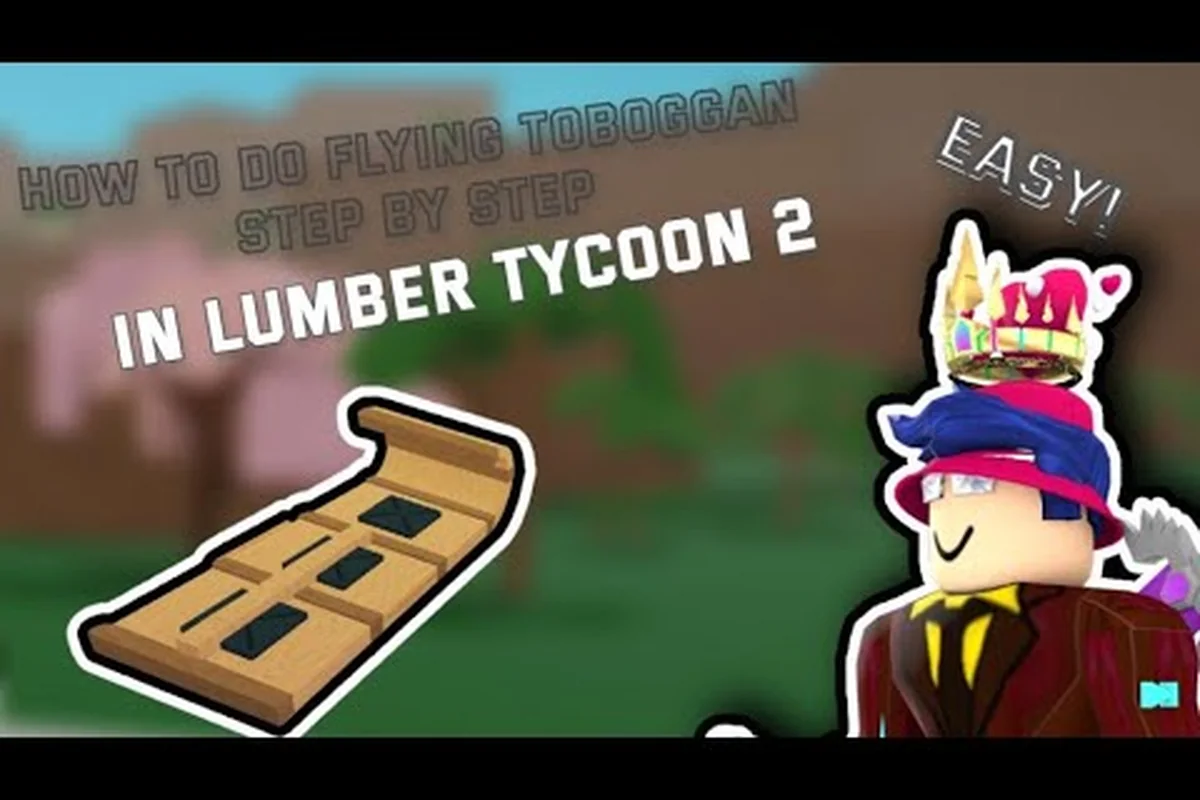
Lumber Tycoon 2 Flying Toboggan Physics Glitch Guide
Trigger the lumber tycoon 2 flying toboggan glitch and send the 2018 Christmas Gift toboggan airborne instead of rolling like a normal ground vehicle.
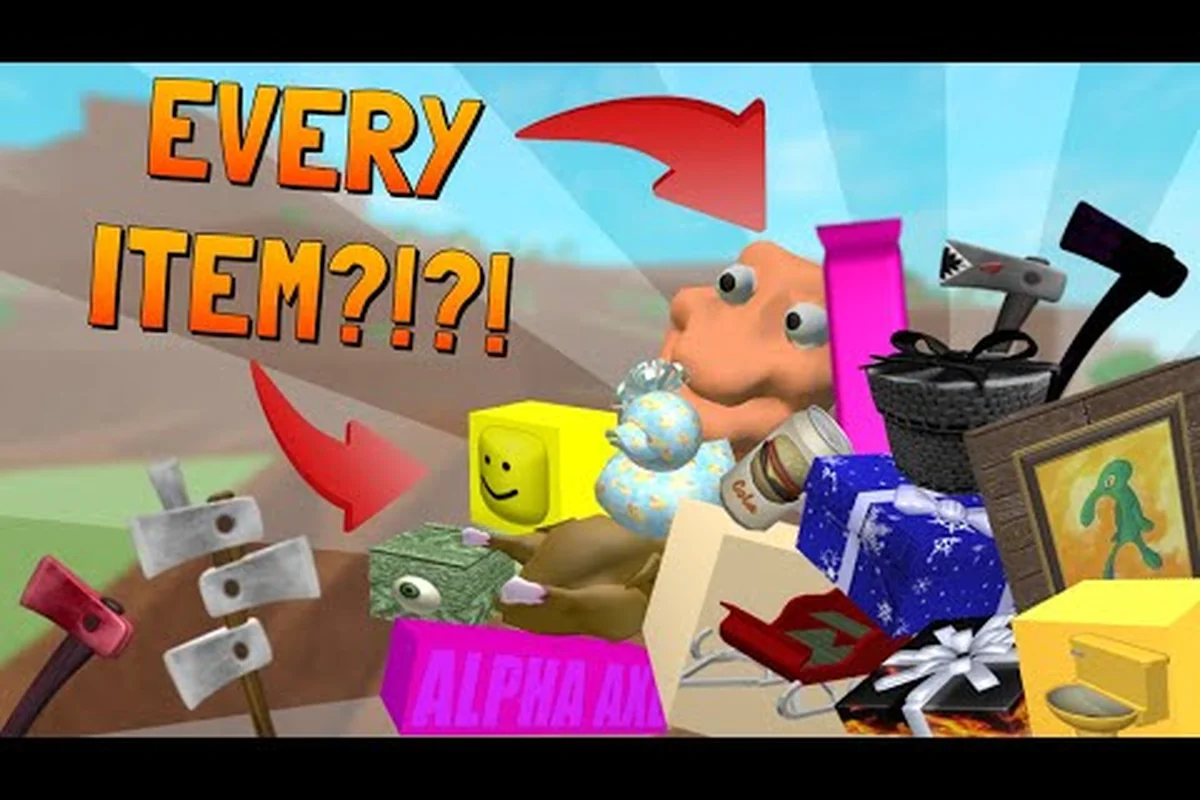
Lumber Tycoon 2 Item List: Rare and Removed Finds
Browse the lumber tycoon 2 item list from limited gifts and rare finds to unused content, plus which loose items you can still buy at Bob's Shack.
All Articles
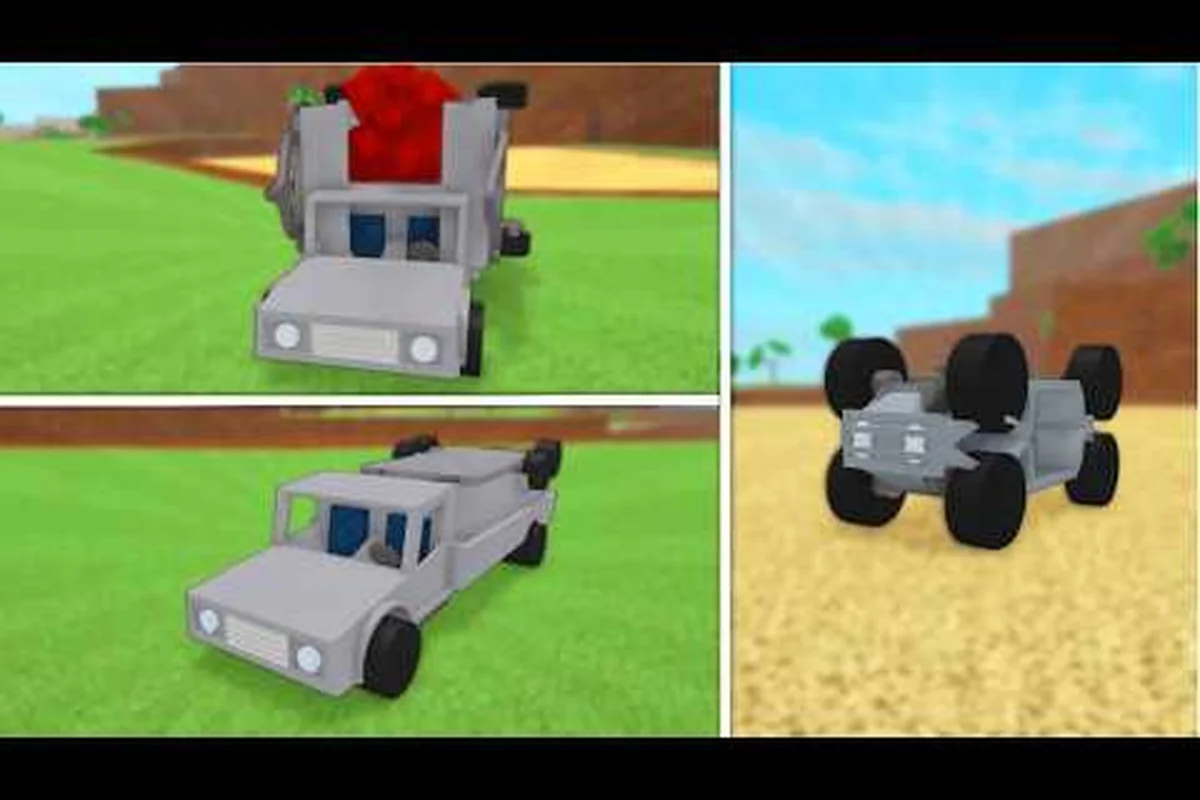
Lumber Tycoon 2 Truck and Trailer Options at Boxed Cars
Compare every lumber tycoon 2 truck and trailer at Boxed Cars, from the Val's All-Purpose Hauler to the Small Trailer, ATV, Snowmobile, and Toboggan.
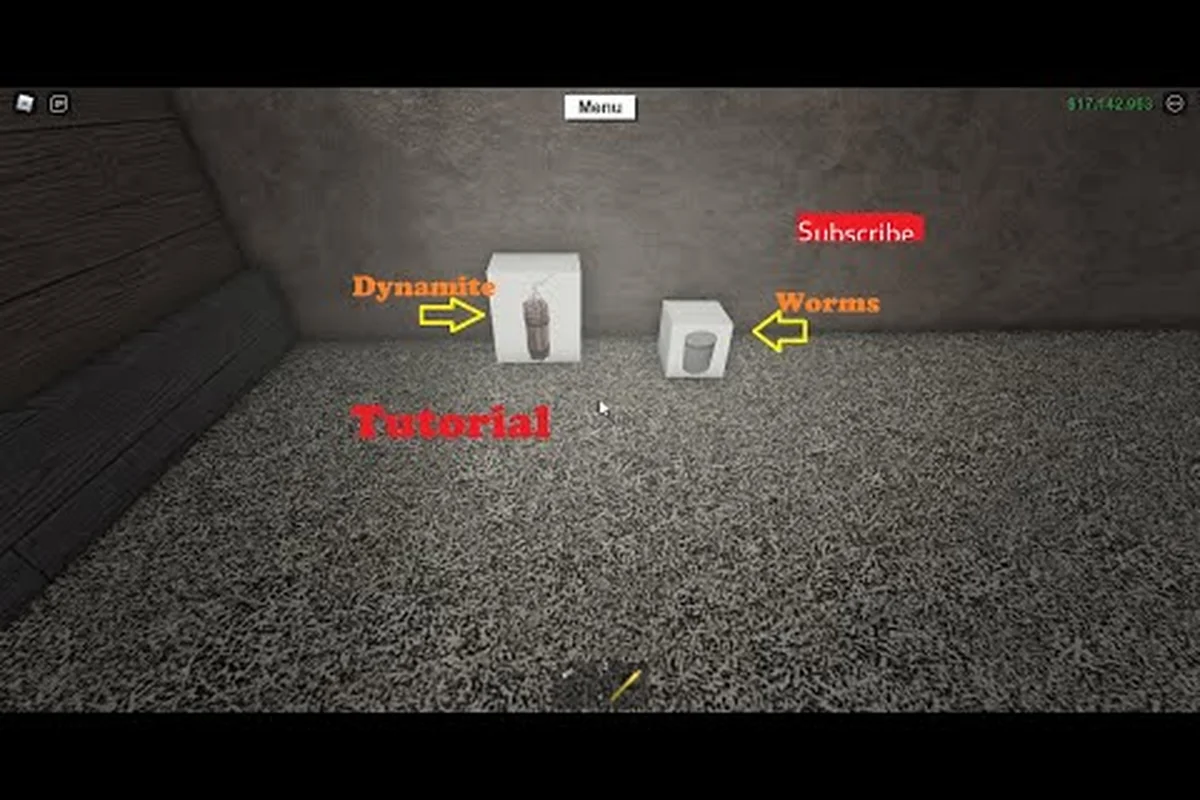
Lumber Tycoon 2 Can of Worms: Bob's Shack Quest Item
Grab the lumber tycoon 2 can of worms from Bob's Shack and see how this loose quest item differs from the removed Bag of Worms and the 2023 Can of Stuffing.

Lumber Tycoon 2 Item Uses: Tools, Seats, and Vehicles
Understand lumber tycoon 2 item uses across tools, seats, furniture, and vehicles, including the LT2 For Dummies book and the Sleigh from Jingly Gift of Jingles.
Lumber Tycoon 2 Vault Truck: Mega Trailer and Hauler
Learn how the lumber tycoon 2 vault truck and mega trailer expand your hauling capacity, plus where to buy trailers and the Utility Vehicle XL at Boxed Cars.