
Locations
Every Lumber Tycoon 2 location and region: the Main Biome, Swamp, Taiga, Volcano and the hidden Den, with the access routes and signature wood for each area.
Introduction
The map is the part of Lumber Tycoon 2 that rewards exploration most. Ten regions ring the world, each growing its own species and carrying its own atmosphere, and several of the higher-value woods sit behind a genuine access problem rather than a long walk. Getting to the Swamp means finding the right bridge route. Reaching the Taiga Peak means a climb, and reaching Phantom Wood means lowering a bridge before the ground is even available. Hidden spaces such as the Den and the cave network hold spawn points and routes that most players never locate on their own. This section groups the world by how hard each area is to reach, lists the signature wood each region produces, and flags the places whose layout changes between versions so you do not treat a temporary route as permanent.
Regions And Access
| Region | How To Reach It | Signature Wood | Notes |
|---|---|---|---|
| Main Biome | Walk from spawn | Oak, Birch, Elm | Home to Wood R Us, the dropoff and the land store |
| Mountainside | Climb from the main area | Fir and mid species | Starting point for several bridge routes toward the Swamp |
| Tropics and sand islands | Cross water or a land bridge | Koa, Palm | First region that genuinely requires planning a route |
| Swamp | Rock Bridge route, dynamite to open the way | Mid-tier species | Access is the obstacle rather than the timber itself |
| Taiga and Taiga Peak | Travel north and climb the snowy peak | Frost Wood | The best non-trade timber, plus the trapdoor hiding the Den |
| Volcano | Reach the volcanic area and its cave network | Lava and Volcano Wood | Secret entrances feed several endgame routes |
| The far edge | Lower the Bridge to open the route | Phantom Wood | Top of most community price lists once reachable |
Region Profiles
Main Biome And Spawn
The starting area, and the only place where every essential store sits within walking distance.
Mountainside And The Bridge Routes
The elevated area that acts as a junction toward several harder regions.
Tropics And Sand Islands
The first region that punishes players who travel without planning a return route.
Taiga Peak And The Den
The snowy north, home to the best non-trade timber and a hidden room most players never find.
Volcano, Caves And The Maze
The underground network that hides routes, spawns and a layout that changes between versions.
Swamp And The Rock Bridge
The region where access itself is the obstacle rather than the distance you travel.
The Far Edge And The Bridge
The endgame ground that stays unreachable until a bridge is lowered.
Core Mechanics
Access, not distance, is what separates the regions. Two areas can sit equally far from spawn and still differ enormously in difficulty, because one has a walkable route and the other needs a bridge lowered or a rock passage opened with explosives. That distinction matters for income planning, since the value of a species is largely set by how hard its region is to enter: trees behind a genuine barrier stay expensive because most of the player base cannot farm them on demand. Travel time then becomes the second constraint, because a long return trip caps how many loads you can move per session regardless of how valuable each one is. The practical approach is to unlock one new region at a time, learn its route properly, and only then invest in the transport that makes hauling from it worthwhile.
Advantages
The map gives Lumber Tycoon 2 a sense of place that most Roblox tycoons never develop. Each region has its own species and its own music, so progress through the game is also progress through a world rather than a sequence of numbers. Hidden areas such as the Den and the cave network reward curiosity with real gameplay value, and the bridge and explosive requirements turn geography into part of the progression system instead of a backdrop. Because different regions produce different timber, players naturally specialise in the routes they know best, which produces genuine variation in how two established accounts operate rather than everyone farming the same spot.
Challenges
Nothing in the game explains where you are or how to get anywhere else. Regions look similar until you learn their landmarks, there is no map screen worth relying on, and the routes to harder areas are learned from other players rather than discovered through any in-game hint. That makes the earlier regions accessible and the later ones effectively community knowledge. The rotating puzzle area makes this worse, because its layout changes between versions, so a diagram or video can be outdated without any indication. Travel distance also punishes experimentation, since a wrong route costs real time, and the far regions require transport investment before they become productive at all.
Frequently Asked Questions
How do I get to the Swamp in Lumber Tycoon 2?+
Where is the Den and what is inside it?+
How do I reach Phantom Wood?+
Does the Maze map change?+
Quick Tips
Plan the return trip before you leave the base. On far regions the hauling distance is often the dominant cost of the whole session, so arriving with a small vehicle and a full inventory of valuable timber is how a good run turns into an evening you would rather forget entirely.
Carry dynamite as standard once you start exploring properly. Several access routes depend on clearing a passage rather than finding a path, and realising you left the explosives behind means the entire round trip has to be repeated from a store before you can make any progress at all. so treat explosives as part of the route rather than as an optional extra.
Do not trust an undated maze diagram. The puzzle area layout rotates between versions, so a route that worked last year may be a dead end today, and checking the publication date first saves you from concluding that you misread a diagram that was simply obsolete when you found it.
Unlock regions one at a time and learn each route properly. Understanding a single route thoroughly pays more than half-learning three, because income depends on repeatable trips rather than on having visited a place once and then being unable to find it again on your next session. and a route you cannot repeat is worth almost nothing in practice.
Featured
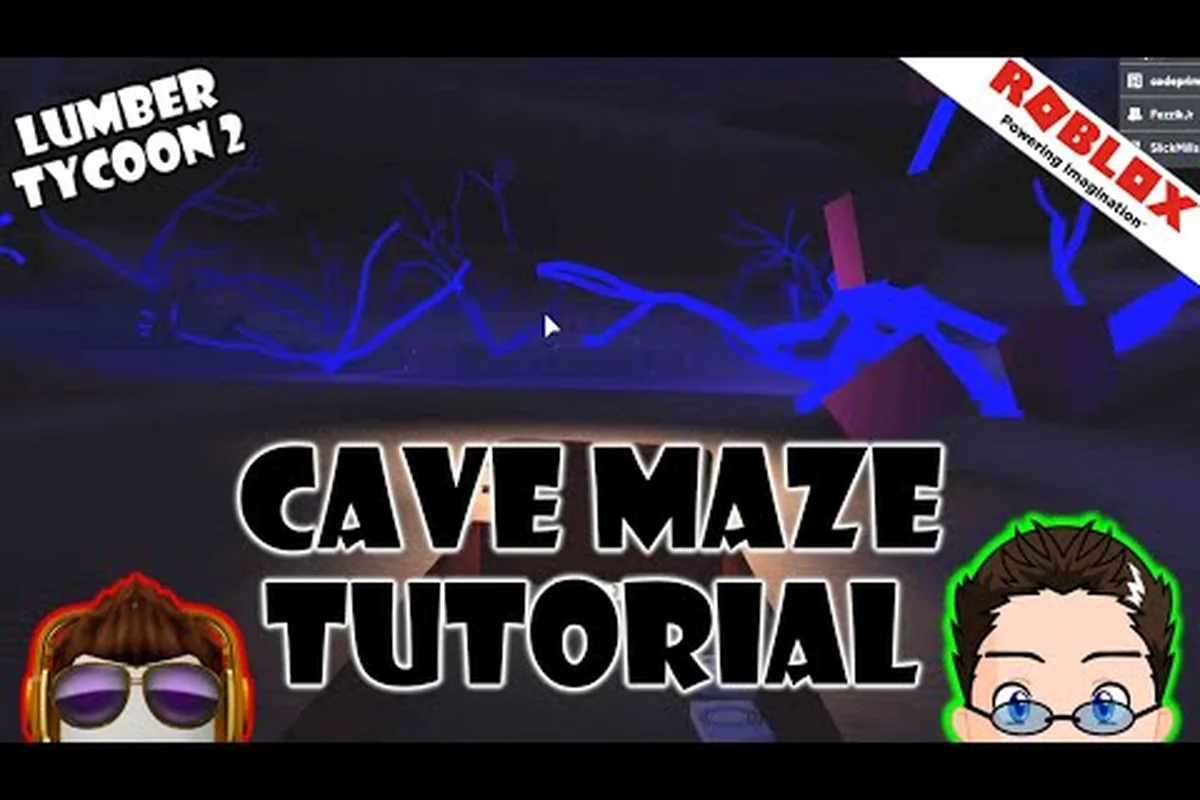
Lumber Tycoon 2 Maze Map: Tropics Cavecrawler Route
Navigate the lumber tycoon 2 maze map underneath the Tropics and Ocean, where Cavecrawler Wood hides in a tunnel system with multiple entrances and dead ends.
Lumber Tycoon 2 Secret Areas: Lost Cave and VIP Room
Uncover lumber tycoon 2 secret areas like the Lost Cave under the Snow Peninsula and the VIP Room in the Main Biome, plus how to reach the Taiga and Swamp on foot.
Lumber Tycoon 2 Where to Buy Dynamite at Bob's Shack
Learn lumber tycoon 2 where to buy dynamite from Bob's Shack, then use explosives to clear the Taiga entrance and uncover secrets across the map, maze, and volcano.
All Articles

Lumber Tycoon 2 Bridge Locations: Main Biome to Safari
Find every lumber tycoon 2 bridge from the Main Biome to Safari, plus how the Rock Bridge and Land Bridge connect the Taiga, Tropics, and Ocean routes.
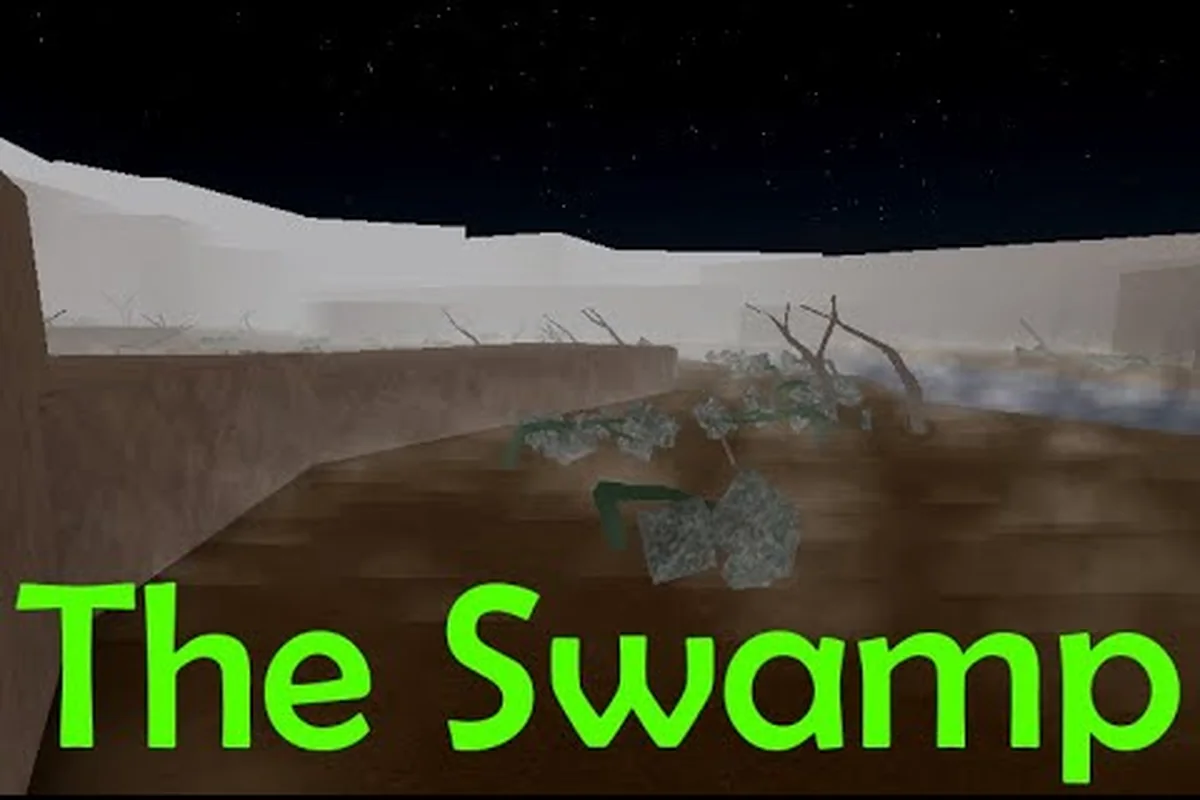
Lumber Tycoon 2 Crossing the Land Bridge on Foot
Take on the lumber tycoon 2 crossing the land bridge challenge: move from Taiga to Tropics on foot through cliffs, past Bob's Shack, and into the Underground Grove.
Lumber Tycoon 2 Locations Guide: Lost Cave and Rukiryaxe
Find every lumber tycoon 2 locations guide entry from the Lost Cave and Lone Cave to the Den and Rukiryaxe Cave, including the Land Bridge and Rock Bridge routes.

Lumber Tycoon 2 Safari Biome: Walnut, Elm, and Cherry
Explore the lumber tycoon 2 safari biome next to the Main Biome, where 110 trees spawn Walnut, Elm, and Cherry Wood plus Spook and Sinister during Halloween events.
Lumber Tycoon 2 Safari: Safari Square and the Hole
Tour the lumber tycoon 2 safari region next to the Main Biome, including Safari Square shops, the featureless Safari Hole, and its links to the Swamp and Tropics.